

Governor Newsom signs bills to push back on Trump’s Orwellian immigration tactics to protect immigrant communities
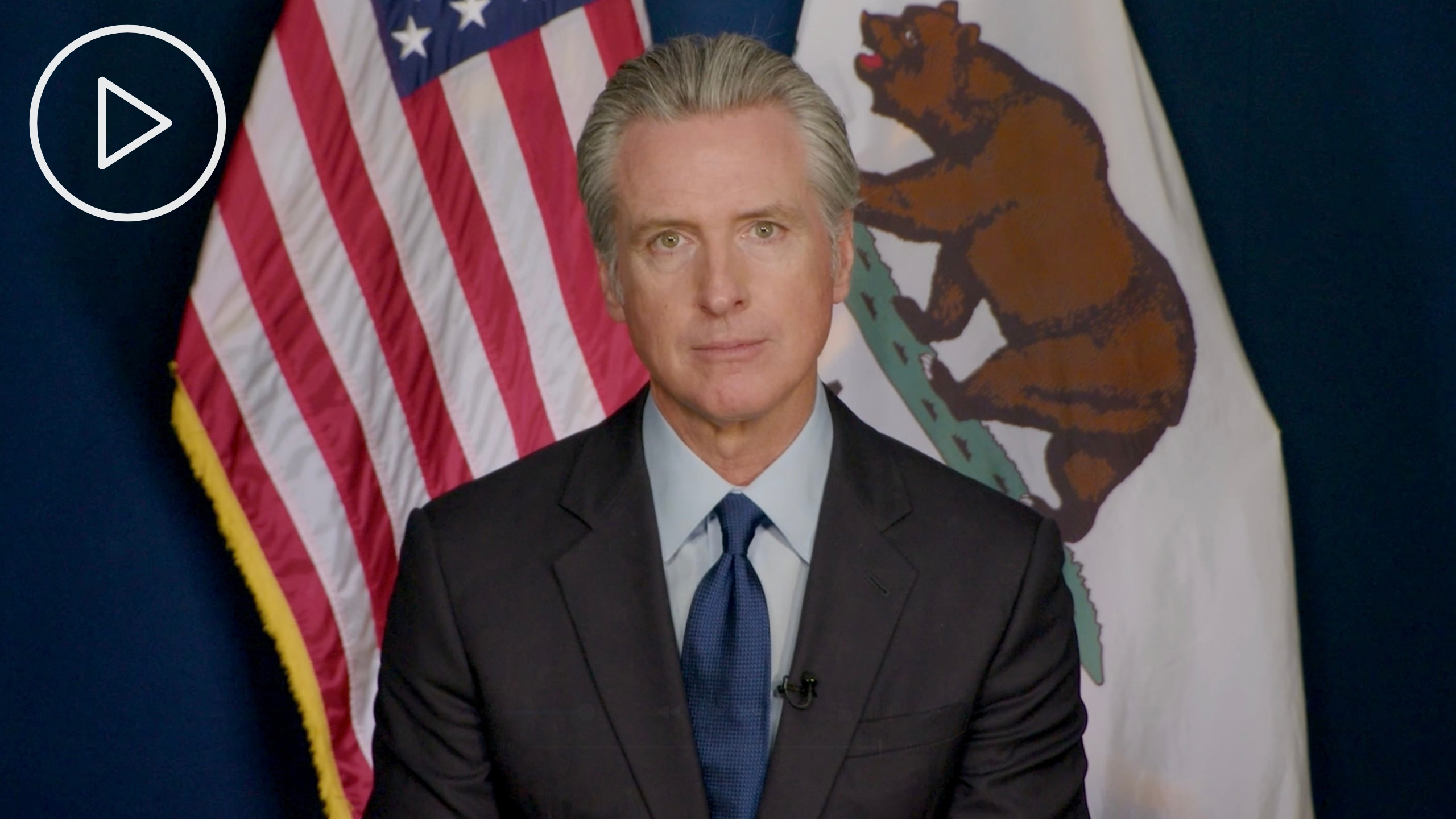
The legislation builds on California’s longstanding efforts to support immigrant communities and reflects the state’s response to an intensified federal immigration enforcement environment, including federal operations in Southern California and the federalization of California National Guard personnel in June.
California cannot dictate federal immigration policy. But where federal immigration enforcement operates within California, the state can establish and enforce state-law requirements governing state property, state resources, detention facilities, public records, law-enforcement practices and access to state-administered programs.
The bills signed today:
Establish stronger standards for law-enforcement practices
California has an interest in establishing clear standards for law-enforcement practices and equipment used within the state, including when those practices intersect with immigration enforcement.
✅ Ban on shock gloves, setting limits on uses of wearable electroshock devices by law enforcement.
✅ Restrictions on uses of flash-bang grenades and explosive breaching charges, including in immigration-enforcement activities.
✅ Prohibits ICE officers who have committed serious misconduct on the job from becoming peace officers or public employees in California.
Strengthen detention oversight and accountability
Facilities operating in California remain subject to California standards and oversight even when the underlying immigration authority is federal. Together, these measures strengthen the state’s ability to oversee civil and private detention facilities and increase transparency around their operation.
✅ A new 25% tax on private detention facilities with revenue going toward immigration-related services, closes a loophole that previously allowed some facilities to claim tax-exempt status.
✅ Expanded health, safety and oversight requirements for civil detention facilities operating in California.
✅ Increasing transparency by expanding public access to records to shed light on what’s happening inside private detention facilities.
✅ Strengthening the role of the Attorney General in immigration-related matters and establishing new requirements for the Attorney General to develop and report on a proposed oversight plan for private civil detention facilities.
✅ Creating more public input on potential facilities through additional planning and zoning requirements and those concerning public-agency approval of detention centers.
Increased transparency around federal immigration enforcement
When federal immigration enforcement intersects with California property, law enforcement and other state institutions, Californians should be able to understand what is happening and who is responsible.
✅ Restricting the use of state-owned facilities for immigration-enforcement staging, processing, detention or operations.
✅ Requiring clear identification on rental vehicles used by law enforcement for detention, arrest or transportation to display a temporary decal identifying the agency, with limited exceptions.
Protecting civil rights and access to justice
Immigration enforcement can affect people’s ability to participate in legal proceedings, seek remedies and interact with government. These measures reinforce protections under California law and help preserve meaningful access to the courts.
✅ Creating stronger accountability by giving individuals the ability to sue federal government officials who have violated their federal constitutional rights.
✅ Helping immigrants seek help without fear of arrest by protecting people traveling to or from courthouses for lawful activities from civil arrest.
Protecting families, workers and access to opportunity
Federal immigration enforcement can have consequences beyond the person directly subject to an immigration proceeding. These measures address some of those consequences and strengthen protections for immigrant Californians interacting with public institutions and the workplace.
✅ Protecting eligibility for CalWORKs assistance when a child or household member is detained by federal immigration authorities, in specified circumstances.
✅ Strengthening protections for immigrant victims and other people seeking assistance under California law.
Legislation signed
-
AB 1627 by Assemblymember Anamarie Ávila Farías (D-Martinez) — Public employment: disqualifications
-
AB 1633 by Assemblymember Matt Haney (D-San Francisco) — Taxation: private detention facilities
-
AB 1650 by Assemblymember Jessica Caloza (D-Los Angeles) — Rental vehicles: law enforcement
-
AB 1655 by Assemblymember Isaac Bryan (D-Los Angeles) — CalWORKs: temporary absence: immigration detention
-
AB 1801 by Assemblymember Alex Lee (D-Milpitas) — Public agencies: approval: detention facilities
-
AB 1806 by Assemblymember Jesse Gabriel (D-Encino) — Department of Justice
-
AB 1807 by Assemblymember Jesse Gabriel (D-Encino) — Immigration enforcement: use of state-owned property
-
AB 1994 Assemblymember David Alvarez (D-San Diego) — Defending Immigrant Victims Act
-
AB 2318 by Assemblymember Sade Elhawary (D-South Los Angeles) — Law enforcement: facilitating medical care
-
AB 2495 by Assemblymember Ash Kalra (D-San Jose) — Unlawful immigration-related practices
-
AB 2760 by Assemblymember Dr. LaShae Sharp-Collins (D-San Diego) — Law enforcement: wearable electroshock devices
-
SB 420 by Senator Steve Padilla (D-San Diego) — Property tax: welfare exemption: detention facilities
-
SB 423 by Senator Lena Gonzalez (D-Long Beach) — California Public Records Act: private detention facilities
-
SB 747 by Senator Scott Wiener (D-San Francisco) — Civil rights: deprivation of federal constitutional rights, privileges, and immunities
-
SB 873 by Senator Eloise Gómez Reyes (D-Colton) — Courthouses: privilege from civil arrest
-
SB 937 by Senator Lena Gonzalez (D-Long Beach) — Law enforcement: flash-bang grenades and explosive breaching charges
-
SB 942 by Senator Anna Caballero (D-Merced) — Civil detainees
-
SB 957 by Senator Sasha Renée Pérez (D-Pasadena) — Civil detention facilities
-
SB 1004 by Senator Scott Wiener (D-San Francisco) — Law enforcement: masks
-
SB 1367 by Senator Sabrina Cervantes (D-Riverside) — Planning and zoning: detention facilities. View the signing message here.
-
SB 1399 by Senator María Elena Durazo (D-Los Angeles) — Locked detention facilities: civil immigration: reviews
Today’s action builds on years of work by Governor Newsom and the Legislature to support immigrant families, protect communities and the economy from reckless immigration actions, strengthen transparency and oversight of detention facilities, and ensure that state resources are focused on public safety and the needs of Californians.
A strong record of supporting immigrant families, advancing immigrant contributions to our society and economy
Immigrants and their children, including refugees, have helped build the California we know today through their hard work, innovation, and cultural contributions, and through the communities they have strengthened. Since taking office, Governor Newsom has expanded access to health care, supported greater integration and belonging, and transformed funding for immigration legal services, including initiatives for kids and farmworkers to keep families together, protect vulnerable groups including victims of crime and help keep Californians working lawfully in our economy. In recent years, state efforts have helped communities vulnerable to reckless federal immigration enforcement through regional community infrastructure, including regional Hubs, greater access to legal defense, including dedicated support for people in ICE detention, and trusted community messengers to help immigrant families navigate growing fears and complex changes in federal immigration rules.
The Governor has also signed legislation expanding protections and opportunities for immigrant families, workers and entrepreneurs, including measures concerning local oversight of detention facilities, language access, entrepreneurship, federal work permits for farmworkers, support for victims of crime, strengthening parental rights and protections for schools and public hospitals against reckless ICE enforcement, professional licenses, privacy protections for personal information, on-campus Dream Resource Centers and supports for students, state facilities, and labor protections for vulnerable workers. The Governor’s leadership also established the Office of Immigrant Youth, and the first-ever California Council on Immigrant Integration and Talent, recognizing opportunities to improve the inclusion of immigrant families in our society and the importance of legal immigration to American workers and our economy.
Keeping California’s resources focused on California’s public safety
Governor Newsom has also drawn a distinction between appropriate public-safety cooperation, community trust and using California resources for federal immigration enforcement. In 2019, the Governor ended the federal policy of using California National Guard personnel for immigration enforcement and redirected those resources toward wildfire prevention and counter-drug operations.
That approach has also shaped California’s response to federal enforcement activity in Los Angeles. During the June 2025 federal immigration raids and resulting protests, the Governor challenged the federalization of California National Guard personnel. The State filed and won a federal lawsuit challenging the deployment, arguing that the federal government had exceeded its authority.
Leading strategies to support safe border communities, and harness the economic benefits of immigration
California’s response has been comprehensive, working to mitigate the consequences for states and local communities of reckless federal immigration policies and decades of congressional inaction to modernize our immigration system. The state and Legislature provided for economic growth, public safety and related humanitarian services to support border communities affected by federal operations, from drug interdiction at ports of entry to humanitarian sheltering and promoting lawful cross-border trade. State efforts also support the first-ever economic strategy on immigration, including immigration in economic development and funding job and entrepreneurship training, to help immigrants contribute their skills and talent to key parts of the economy. The state has also responded to the Trump administration’s actions, which have significantly harmed small businesses and local economies, with stronger legal support for affected Californians, along with information and resources for businesses and workers on changing immigration rules and keeping workplaces safe during immigration enforcement.
Legal Disclaimer:
EIN Presswire provides this news content "as is" without warranty of any kind. We do not accept any responsibility or liability for the accuracy, content, images, videos, licenses, completeness, legality, or reliability of the information contained in this article. If you have any complaints or copyright issues related to this article, kindly contact the author above.
